
Moving Home Security Checklist: Your First Week in a New House
Closing day hands you a set of keys and no idea how many others exist. This is the week-one list for a Newmarket or East Gwillimbury home, in the order that actually matters.

Quick answer
A moving home security checklist starts with rekeying or replacing every exterior cylinder, including the garage man-door and the door from the garage into the house. Then reset garage remote codes, secure the patio slider and basement windows, change the mailbox lock, and take full ownership of any smart lock or camera accounts left by the previous owner.
A moving home security checklist exists because of one uncomfortable fact: the keys handed over at closing are the keys somebody chose to hand over. They are not necessarily all the keys. Over a typical ten-year ownership a house key gets copied for a cleaner, a dog walker, two sets of in-laws, a contractor who never gave it back, and a teenager who lost one at school in 2019.
None of those people are likely to be a problem. That is not the point. The point is that you cannot know, and the fix costs less than the moving truck did.
This list is written for the houses around here specifically: 1980s and 1990s subdivision stock in Glenway and Bristol-London with a garage man-door nobody thinks about, newer East Gwillimbury and Sharon builds still on their builder key, century homes off Main Street South with hardware from three different decades on one elevation, and townhouses near Yonge and Davis with a shared-entry fob system. Work through it in the first week and you can stop thinking about it.
Day one: every exterior cylinder
This is the whole job in one sentence: every lock that opens from outside gets a new key on day one, and you decide how many copies exist from then on.
For most houses that is more doors than people expect. Front, back or side entry, the garage man-door, the door from the garage into the house, and sometimes a basement walk-out or a shed. Four to six cylinders is normal. The door from the garage into the house is the one people skip, and it is the one that matters most: an open garage door turns that lock into your front door.
Rekeying re-pins the cylinder you already own so the old key stops working. It runs roughly $25 to $45 per lock plus the service call, and everything can be keyed alike so one key opens the whole house. Replacement makes sense where hardware is worn, mismatched, or where a door has a latch and no deadbolt. The rekey or replace guide has a decision table if you are unsure, and new home lock changes is the service page for the work itself.
- Front entry deadbolt and handle set.
- Back or side entry, including any patio door with a keyed cylinder.
- Garage man-door, the pedestrian door on the side of the garage.
- Garage-to-house door. Do not skip this one.
- Basement walk-out or separate apartment entry.
- Shed, workshop and any outbuilding worth locking.
- Mailbox, if it is a community box with a keyed door.
One visit, one trip charge, all of them keyed alike, and you leave with exactly the number of keys you asked for. Budget somewhere between $140 and $280 for a typical Newmarket house depending on the door count, and see locksmith prices for the full ranges.
Count the keys that used to exist
Ask the previous owner, or the agent, a direct question before closing: how many keys were made, and who has them? You will get an incomplete answer, which is itself informative. Add the ones nobody mentions.
The realistic list on a house that has been lived in for a decade: the sellers and their adult children, a cleaning service, a landscaper, a contractor who did the basement, both sets of parents, a neighbour who watered the plants, and whoever had the lockbox code during the listing. Some of those keys have been copied again.
None of this requires suspicion of anyone in particular. It requires accepting that the number is unknown, and that an unknown number is the same as a large one for planning purposes. Rekeying resets that count to whatever you decide.
For rental properties, do this between every tenancy without exception. It takes under an hour and it is the cheapest line item in the turnover.
The garage, which is the real weak point
On most local subdivision houses the garage is the softest part of the building, and it usually gets the least attention on move-in week.
Start with the remote codes. Every opener made in the last twenty-odd years uses a rolling code, but the previous owner may still have paired remotes, a keypad code and a car HomeLink button that opens your door. Clearing all remotes and re-pairing only yours is a button sequence in the manual, usually a Learn button on the motor head held down until the indicator clears. Do it the day you move in, then re-pair your own remotes and set a new keypad PIN.
Then the emergency release. The red cord on the trolley can be hooked from outside through the top of the door gap on some older installations. A zip tie through the release lever, sized so a hard pull still breaks it in a genuine emergency, closes that off. So does a simple shield over the top panel.
Finally the garage-to-house door. It should have a deadbolt, it should be solid core rather than hollow, and its strike should be screwed into the framing with three-inch screws. Treat it exactly as you would a front door, because functionally it is one.
Doors, windows and the things people forget
Half an afternoon with a screwdriver covers most of this.
- Patio slider. Fit a bar or a cut length of dowel in the track, and add a secondary pin lock through the frame so the panel cannot be lifted out of the track. The factory latch on a slider is a catch, not a lock.
- Basement windows. Check every latch actually engages. Older casement hardware around here is often painted open or the crank is stripped.
- Window latches upstairs. Above a porch roof or a deck, treat a second-floor window as a ground-floor one.
- Strike plates. Replace the three-quarter-inch screws that came with the hardware with three-inch screws that reach the stud behind the jamb. Ten minutes, a few dollars, and it changes what the door can survive.
- Mailbox lock. Community boxes and older wall boxes are usually a barrel cam lock costing under $25 to swap. Mail is how identity theft starts.
- Exterior lighting. Walk the property at night before you decide anything. Dark corners look different in June and in December.
- Spare key hiding places. Find the previous owner rock, magnetic box or the one under the mat. There is almost always one. Then do not create your own.
- Alarm panel. If the house has one, change the master code and any user codes, and either activate monitoring or remove the panel from the wall so it stops being decoration.
Smart locks, cameras and account handovers
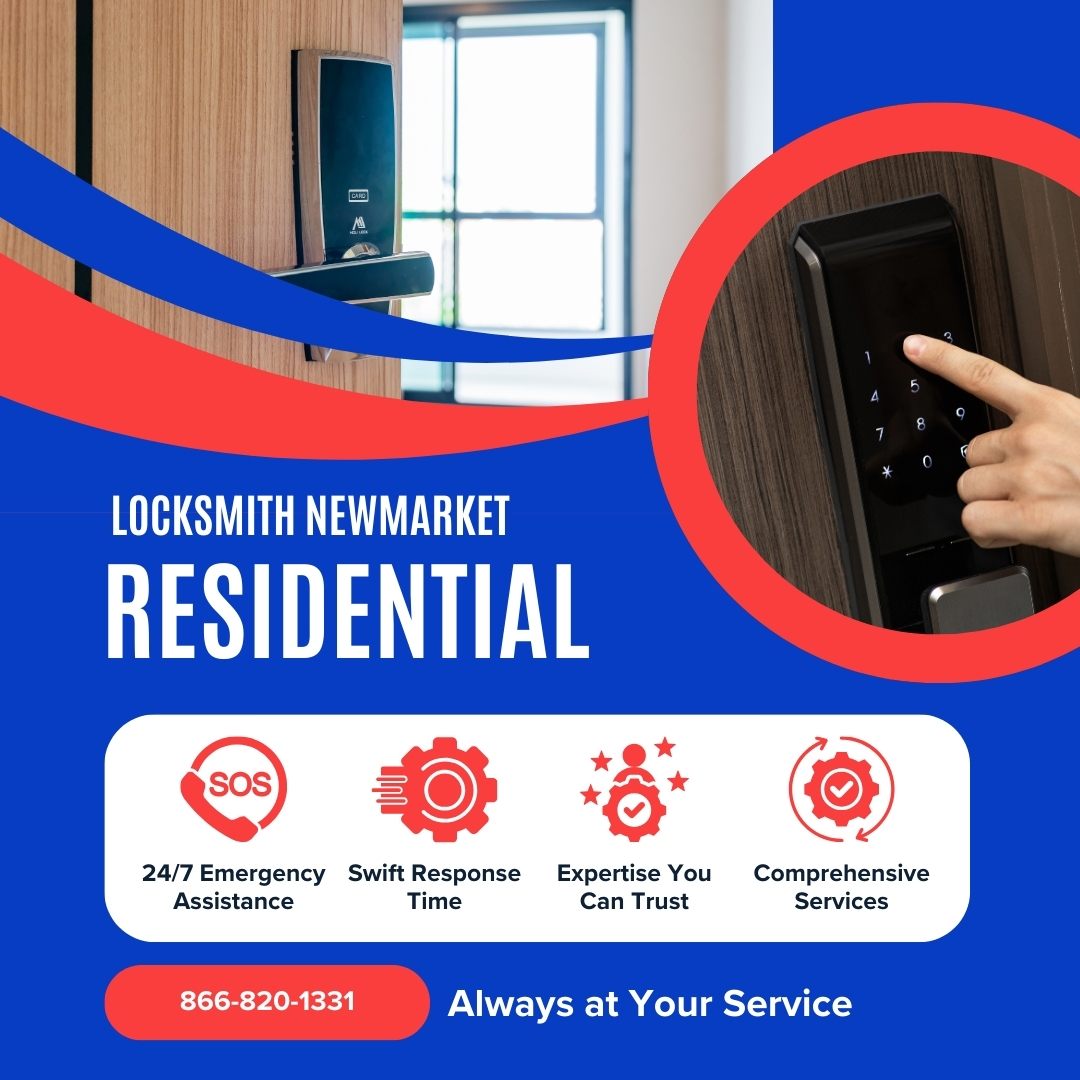
Inherited smart hardware is the newest item on this list and the one that goes wrong most often. A smart lock or camera left behind is not yours until the account is, and a factory reset of the device is not the same as removing the previous owner from the cloud account attached to it.
The order that works: get the previous owner to delete the device from their account and remove the home or location entirely, then factory reset the hardware yourself, then set it up fresh under your own account with a new password. If they cannot or will not do the first step, some devices stay tied to the old account and effectively have to be replaced. Ask about this before closing, not after.
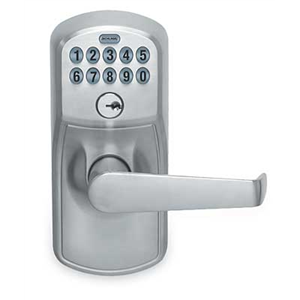
Then clear the codes. A keypad lock inherited with the house may hold ten user PINs — a dog walker, a cleaner, a neighbour, an ex-partner. Delete every code including the master, then add only yours. Same for a video doorbell: check for shared users and old guest access.
A doorbell camera also carries a footage history. Anything recorded before you owned the property stays under the previous owner account, which is fine, but do not assume the reverse — confirm that your new footage is not still visible to them. If you are adding hardware rather than inheriting it, smart lock installation and camera installation can be done in the same visit as the rekey.
New builds: the builder key problem
If you bought new in East Gwillimbury, Sharon, Queensville or one of the newer Newmarket phases, your situation is slightly different and slightly worse.
Most builders use a construction keying system. The house is locked on a construction key that every trade on the site can use — framers, drywallers, painters, the cleaners, the HVAC crew, the appliance delivery. At closing you are given a homeowner key, and inserting it once mechanically retires the construction key by shearing a set of pins.
That works, provided it happened. Two things go wrong. First, the system only applies to locks that were part of the builder program, so a lock added later may never have been on it. Second, and more commonly, the builder hardware is Grade 3 at best, chosen on price for a hundred houses at a time, and the cylinder that just retired its construction key is still the cheapest cylinder available in Canada.
Our practical advice on a new build: use the homeowner key once so the construction key retires, then upgrade the front and garage-to-house locks to Grade 1 or Grade 2 within the first year, and rekey the rest to match. You will not miss the builder hardware.
Also, before the first winter in a new build, read the Canadian winter lock guide. New doors move as the house settles and as the framing dries, and a strike that lined up in August often does not in January.
The one-page checklist
Work down it. Most people finish in a weekend plus one locksmith visit.
- Rekey or replace every exterior cylinder, keyed alike.
- Include the garage man-door and the garage-to-house door.
- Decide how many keys exist, and cut exactly that many.
- Clear all garage opener remotes, re-pair yours, set a new keypad PIN.
- Secure the opener emergency release from outside access.
- Fit a bar and a pin lock to the patio slider.
- Test every window latch, including the basement.
- Three-inch screws into the framing behind every exterior strike plate.
- Change the mailbox lock.
- Delete every code from inherited keypads and smart locks, then add yours.
- Get the previous owner to release smart lock and camera accounts, then factory reset.
- Change the alarm master code and remove old user codes.
- Find and remove the previous owner hidden spare key.
- Walk the property after dark and note where light is missing.
- New build: use the homeowner key once, then plan a hardware upgrade.
What a move-in visit looks like
Move-in lock work across the area
Closing days cluster at the end of the month and we schedule around them across Newmarket, East Gwillimbury, Holland Landing, Sharon, Queensville, Aurora, Keswick, Bradford and beyond. If the moving truck is arriving at two, book the rekey for the same afternoon and it will be finished before the beds are assembled.
Frequently asked questions
Should I change the locks when I move into a new house?
Yes, in the first week, and rekeying is usually enough. You have no reliable way to know how many keys exist or who holds them, and the previous owner list normally includes family, cleaners, contractors and a realtor lockbox. Rekeying every exterior cylinder resets the count to a number you choose, takes under an hour and costs a fraction of replacement.
How much does it cost to rekey a house after moving in?
Roughly $140 to $280 for a typical Newmarket house with four to six exterior cylinders, keyed alike, including the service call. Per-lock rekeying runs about $25 to $45. Replacement hardware, if a door needs it, starts near $160 installed. A firm price is given on the phone once you count your exterior doors.
Which doors do people forget to rekey?
The garage man-door and the door from the garage into the house, almost every time. Both are exterior doors in practice, and the garage-to-house door becomes your front door the moment the overhead door is open. Basement walk-outs, side entries and sheds are the next most commonly missed. Ask for every keyed cylinder on the property.
How do I reset the garage door opener codes?
Most openers have a Learn or Smart button on the motor head. Holding it until the indicator light goes out clears every paired remote and keypad code, after which you re-pair only your own remotes and set a fresh keypad PIN. Check the manual for your model. Do this on move-in day, and remember to clear any HomeLink button in a vehicle you are selling.
What do I do about a smart lock left by the previous owner?
Have them delete the device and the whole home or location from their account first, then factory reset the hardware, then set it up under a new account of your own. Delete every stored user code including the master before adding yours. If they will not release the account, some devices remain tied to it and are best replaced.
Do I need to change locks on a brand new build?
Not immediately, but do two things. Use the homeowner key once so the construction key that every trade on the site could use is mechanically retired. Then plan to upgrade the front door and the garage-to-house door from builder-grade hardware to Grade 1 or Grade 2 within the first year, and rekey the rest to match.
How long does a move-in lock change take?
About an hour for a typical house. Rekeying the first cylinder takes ten to fifteen minutes and each one after is quicker, because the key is already cut. If a door also needs new hardware or a new bore for a deadbolt, add twenty to forty minutes for that door. Everything is tested with the new key before we leave.
Should landlords rekey between tenants?
Every time. Keys get copied during a tenancy without any bad intent, and there is no way to verify how many exist at the end of it. Rekeying is fast, inexpensive enough to treat as a routine turnover cost, and it leaves the door hardware you already paid for on the door. Replacement is only needed when the hardware itself has worn out.
Related locksmith services in Newmarket
Book the rekey for closing day
Call 866-820-1331 with the number of exterior doors and we will give you a firm price and a time. Every cylinder keyed alike, strikes reinforced while we are there, and a typical Newmarket arrival of 20 to 30 minutes.