
Electric Strike Installation in Newmarket
Buzzer entry at a reception desk, intercom release on a multi-tenant entrance, or a strike tied into an access control head end. Wired, powered and tested properly.
Quick answer
Electric strike installation in Newmarket puts an electrically released keeper in the door frame so a button, intercom or fob reader can unlock the door without touching the lock. Fitted with a power supply, expect $700 to $1,600. Fail-safe or fail-secure matters — choose deliberately. Call 866-820-1331.
An electric strike is a simple idea done carefully. Instead of a fixed keeper in the frame, you fit one with a hinged lip and a solenoid behind it. Energise it and the lip swings free, so the latch pulls straight through and the door opens without the lock ever being retracted. That is the whole trick, and it is why electric strike installation is the most common way a Newmarket business adds remote entry to a door it already has.
Almost every reception desk buzzer in town works this way. Someone arrives, the receptionist looks up, presses a button, and there is a short buzz while the door releases. Same on a multi-tenant building where a tenant presses release on an intercom handset. Same on a door where a fob reader replaced the button. The strike does not care what pressed the button.
What it does care about is the door. A strike has to be matched to the latch it is catching — a deadlatch, a mortise lock latch and a cylindrical latch all need different strike bodies, and an aluminum frame needs a different profile from hollow metal. Fitting the wrong one is the most common failure we get called out to fix. The frame gets cut, the strike goes in, and the door never quite lines up again.
Fail-safe or fail-secure, and why it is not a preference
Same hardware family, opposite behaviour when the power stops. Choosing wrong creates either a security hole or a safety problem.
Fail-secure means the strike stays locked when it loses power. It needs power to release. That is what you want on a normal office or shop entrance: the power goes out, the door stays locked, and anyone inside can still leave because the inside lever or push bar retracts the latch mechanically. Fail-secure is the right answer on the large majority of doors.
Fail-safe means the strike unlocks when it loses power. It needs power to stay locked. You use it where losing power must not trap anybody or must not block a route — certain stairwell re-entry doors, some doors that are part of an alarm-released egress path, and doors where the AHJ specifically requires release on alarm. It is also what you use where a magnetic lock would otherwise go.
The important part: fail-safe on a door where people leave through the strike side is a security problem every time the power flickers. Fail-secure on a door that must release on a fire alarm is a safety problem. This is not a matter of taste and it is worth confirming with your fire inspector or authority having jurisdiction for any door in an exit route. On the doors where it matters, we ask before we order.
Fail-secure
Locked without power. Standard for offices, shops, back doors and storage rooms. Inside egress is always mechanical, so people can still get out.
Fail-safe
Unlocked without power. Used where release on power loss or fire alarm is required. Needs a battery-backed supply if you also want it locked during a normal outage.
Fire-rated strikes
A rated door assembly needs a listed fire-rated strike, always fail-secure, with no keeper that can leave the latch unengaged. Fitting a standard strike to a rated frame voids the rating.
Latch monitoring
Better strikes report whether the latch is actually inside the keeper, not just whether the door is shut. Worth having on any door that matters.
The buzzer at a reception desk
This is the single most requested electric strike job in Newmarket, and it is a good example of how the whole install fits together. Medical and dental offices around Davis Drive and Southlake want the waiting-room door locked but openable from the desk. Professional suites want the same. Some retailers on Main Street South want the front door locked outside posted hours with staff able to let deliveries in.
The parts are straightforward: a strike in the frame, a plug-in or hard-wired power supply somewhere hidden, a low-voltage cable run from the supply to the frame, a push button at the desk, and a transfer of that cable through the frame or via a door loop if anything on the door itself needs power. Cable is normally 18/2 or 22/2 for a button run; a heavier gauge on a long run so voltage drop does not leave the strike buzzing without releasing.
Two details that separate a good install from an irritating one. First, the door must latch reliably before you electrify it, which usually means the door closer gets set at the same time. A strike cannot help a door that never latched. Second, a strike makes noise. AC-powered strikes buzz loudly, which staff find useful as feedback. DC strikes click quietly. In a small medical waiting room, quiet is usually preferred.
- Strike matched to the existing latch type and frame material
- Low-voltage power supply, 12 or 24 volt, sized for the strike current draw
- Battery backup where you want the door to keep working through an outage
- Momentary push button at the desk, or several buttons on longer counters
- A door position switch if you want to know when it has been left ajar
- Everything tested with the door closed, latched and released twenty times
Intercoms, access control and doing it once
A strike is a dumb device by design, and that is its strength. Anything that can close a contact can release it, which means the same strike serves a doorbell intercom today and a networked fob access control system in two years without being touched.
On a multi-tenant building the usual arrangement is a lobby intercom panel with a directory, wired to the strike on the main entrance, with each tenant handset able to release. On a small office the head end might be a single-door controller in a cupboard. On a larger site it is a networked panel with card readers, request-to-exit sensors and door position switches reporting back.
Where people waste money is doing it in the wrong order — a $300 buzzer install this year, ripped out for an access control install next year. If a fob system is on the horizon, say so, and we will fit a strike and run cable that the later system can simply plug into. The strike, the power supply and the cable are the expensive-to-redo parts.
Survey the opening
Frame material, latch type, whether there is an existing raceway, where power can live and how cable will get there without looking like an afterthought.
Confirm fail-safe or fail-secure
Decided by what the door does and what your inspector requires, then ordered accordingly. This is settled before anything is cut.
Cut, mount, wire
Frame prepared, strike mounted square to the latch, cable run and terminated, power supply mounted somewhere serviceable rather than hidden behind a filing cabinet forever.
Test and hand over
Released repeatedly, checked for latch engagement and for the door still latching under its own closer, then shown to whoever will use it daily.
Electric strike prices in Newmarket
Cost is driven by cable run and by whether power already exists at the door. A reception buzzer with the desk three metres from the frame is a very different job from a lobby door forty metres from the nearest outlet.
| Work | Typical time | Price range (CAD) |
|---|---|---|
| Replace an existing electric strike, like for like | 1 – 2 hrs | $320 – $620 |
| Electric strike with power supply, short cable run | 2 – 4 hrs | $700 – $1,200 |
| Electric strike, long cable run or awkward frame | 4 – 6 hrs | $1,100 – $1,600 |
| Fire-rated electric strike on a rated assembly | 3 – 5 hrs | $950 – $1,700 |
| Additional release button at a second desk | 30 – 60 min | $120 – $260 |
| Battery-backed power supply added | 1 – 2 hrs | $280 – $600 |
| Door position switch fitted and wired | 45 – 90 min | $140 – $320 |
| Intercom head end wired to an existing strike | 1 – 3 hrs | $260 – $700 |
| Diagnose a strike that buzzes but will not release | 45 – 90 min | $130 – $260 |
| Timer or scheduled unlock added | 1 – 2 hrs | $220 – $520 |
Ranges are typical for Newmarket in 2026 and cover labour plus standard commercial-grade parts. Overnight, weekend and statutory holiday call-outs carry a premium. A firm price is confirmed on the phone before a technician is dispatched.
Electrified doors around Newmarket
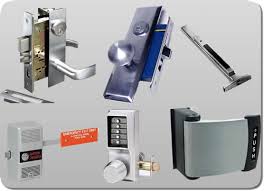
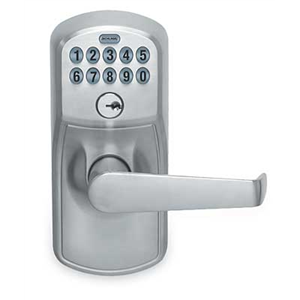
Medical and dental practices near Southlake Regional Health Centre, professional offices along Davis Drive and Yonge, multi-tenant buildings with an intercom lobby, warehouses off Harry Walker Parkway where a strike releases a personnel door beside the overhead, and retail units that want a controlled door to a stockroom.
If the door in question also carries a push bar, read the exit device page first — some devices take an electric latch retraction kit instead of a strike, and that is a different install. The rest of our business services are on the commercial locksmith page.
How we do electrified doors
Electric strike work across the region
We install and service electrified door hardware around Newmarket and the surrounding towns. These are booked jobs rather than emergencies, though a strike that has failed locked gets same-day attention because it is a door nobody can use.
Frequently asked questions
What is the difference between fail-safe and fail-secure?
Fail-secure stays locked when power is lost and needs power to release — the standard choice for offices and shops. Fail-safe unlocks when power is lost and needs power to stay locked, used where a door must release on alarm or outage. Getting it backwards creates either a nightly security hole or a safety problem.
Which one does my door need?
Most doors need fail-secure, because people leaving push a lever or a bar and the latch retracts mechanically regardless of power. Doors in an exit route that must release on a fire alarm may need fail-safe. If the door is part of an egress path, confirm the requirement with your fire inspector or authority having jurisdiction before ordering.
How much does electric strike installation cost in Newmarket?
A strike with a power supply and a short cable run is typically $700 to $1,200. Long runs or awkward frames push it to $1,100 to $1,600. Replacing an existing strike like for like is $320 to $620. A fire-rated strike on a rated assembly runs $950 to $1,700.
Can I add a buzzer to the door I already have?
Usually yes. If the door has a latch and a frame with room for a strike, it can be electrified. Aluminum frames, hollow metal and wood all have suitable strike bodies. The one thing that must be sorted first is that the door reliably latches on its own, which often means adjusting or replacing the closer.
Why does my strike buzz but the door will not open?
Almost always the latch is under pressure. If the door is being held against the keeper by a closer, wind or a warped frame, the strike lip cannot swing clear. Adjusting alignment fixes it. The other cause is voltage drop on a long thin cable run, where the solenoid gets enough current to hum but not to release.
Will it still work in a power cut?
A fail-secure strike stays locked, and everyone inside can still get out by hand. If you want the release button to keep working through an outage, add a battery-backed power supply — around $280 to $600 fitted. A fail-safe strike will unlock on power loss unless it has battery backup, which is exactly why the fail mode has to be chosen deliberately.
Can the strike work with our intercom or fob system?
Yes. The strike responds to a contact closure, so an intercom handset, a keypad, a fob reader or a networked controller can all release it. That is why we recommend running the cable and power to a standard once, so upgrading the head end later does not mean cutting the frame again.
Do you fit magnetic locks instead?
Sometimes. A maglock holds the door with an electromagnet and is inherently fail-safe, which suits some doors and disqualifies others. It also needs a request-to-exit device and a release on fire alarm. There is more on our magnetic door locks page, and we will tell you honestly which suits your opening.
Related locksmith services in Newmarket
Add controlled entry to a door you already have
Tell us what the door is, where the desk or reader will be, and whether power exists nearby. We will quote the whole install, not just the strike. Call 866-820-1331.